I think one thing that I like about learning Chinese is that it doesn't make me feel as insane as learning Welsh or my heritage languages. I don't have the horrible burden and guilt of not being able to speak it, I can just do it for fun. I don't have any sort of family or personal attachment to it, I don't feel inadequate and shameful for not growing up knowing it. I can just learn it and have fun. I'm also having fun with Welsh and my heritage languages, but there is always this sickening feeling in my chest and in the back of my throat that I should know these. The horrible history of erasure and oppression of these languages is evident to me every time I think or write or just open my mouth and English is the language that comes out most naturally. Not Welsh. Not Cornish. Not Irish. Not Scots. I feel like with minoritised heritage languages, there's a certain pressure (at least in my experience) to get really good at them really fast, as if I have to prove in some way that I'm connected to them.
I remember someone I knew online years ago who had grown up knowing 5 languages. He was from the Netherlands, and had a Hungarian parent and a French parent who met through Esperanto conventions, and he also learned English at school. So he grew up speaking Dutch, Hungarian, French, Esperanto, and English. And it always makes me think... Why didn't I get that? I'm from Wales, my father is Cornish, and my mother is Scottish and Irish. So why didn't I get to grow up speaking Welsh, Cornish, Irish, and Scots? Why is English my first language? I mean, I know the answer of course. But it makes me realise how children of immigrants of cultures with non-minoritised languages often have access to their heritage languages in a way I never did. Sure, French and Hungarian are minority languages in the Netherlands, but they're not in France and Hungary (well, Esperanto is a different case since it's not attached to a country in that way). But Welsh is very much a minoritised language in Wales, and Cornish in Cornwall, etc. Maybe not every child of immigrants is brought up speaking their parents' languages, or maybe they lose it as they grow up, but my family largely didn't even have access to their own languages theirselves, beyond a few words, in order to pass them on to me (with the exception being my Scots-speaking grandpa, but he still never passed it on). In the case of people from minoritised cultures, they don't even necessarily have the choice of what language to bring their children up in due to centuries of cultural genocide. Who even was the last person in my family to be raised in Cornish?
And I'm not having children, so I can't even break the cycle and bring up my children in their heritage languages. And I do experience guilt over that. Sometimes I wonder why I'm learning my heritage languages if I'll never pass them on, and never contribute to some sort of intergenerational healing in my family. It feels like what I've learned won't outlast me, and won't benefit any of the cultures I care about. I suppose I could teach others. Maybe encourage them to raise their children in those languages.


Irish dialects
Jul. 19th, 2025 09:00 pmWe're taught the Connacht dialect of Irish at university, but I want to learn a dialect that's more connected to my family. My granny is from County Dublin though and I get the impression there's not enough records of any Leinster Irish to reliably reconstruct the dialect, and that Irish spoken in Leinster today is very Connacht-Irish-based? But my granny's father was from County Cork so maybe I should focus on learning the Munster dialect, and more specifically the Cork dialect 🤔 I am maybe interested in incorporating some features of the records we do have of Dublin Irish, but I feel like my speech would probably be quite old-fashioned then? Like with my Welsh, the Gwenhwyseg dialect can be read as older-fashioned since no-one really in south east Wales really speaks with that dialect anymore, although features of it do remain in the present-day Welsh spoken there. So I try to sound like I'm from the south east (I am) but I usually come across as more general South Walian, and one of my lecturers told me I'd sound like I lived 100 years ago in the Ebbw Vale if I used certain Gwenhwyseg features lol

C1/C2 Welsh course
Jul. 19th, 2025 04:59 pmI've signed up to do the Dysgu Cymraeg proficiency level course, which is a little bit scary because it's C1/C2 but also I really need to push myself to refine my Welsh skills. lt's 30 weeks long and 1 lesson a week so I think it'll be ok. And it's online which is nice for my health. I'm just intimidated because I'd describe my welsh as mostly B2 but only C1 sometimes.

I want to make a playlist of songs that aren't English, but every time I set out to create something without English, the deliberate exclusion of it feels like an acknowledgement of it. I don't want to live my life centred around English, but purposefully not using it is still a sign of thinking about it. Does that make sense? Avoiding English is still centring something around English, just in the opposite way.
Perhaps to get around that I should just make a playlist for Celtic languages or playlists for individual languages.

I like looking at things in Japanese because I can kind of work out what's going on based on the kanji because I've done some Chinese, but I have absolutely no idea how it would be pronounced in Japanese. And then there's the hiragana and katakana which completely throw me off.

Learning all the modern Celtic languages
Jul. 16th, 2025 05:03 pmTo have even a basic A2 level in all the Celtic languages would be a dream to me. I want to be C1/C2 in Welsh and at least B2 in Irish and Cornish (I'd like to do the Grade 4 Cornish exam eventually which is B2/C1), but I'd really like to be able to have a basic working knowledge in the other three. At least enough to write in them on my website and to have simple conversations in them.
At this point I've studied Welsh, Irish, Cornish, and Breton, although my Breton is super rusty. But I can't decide whether I'd like to do Scottish Gaelic or Manx next. Manx is the one that seems more interesting to me, but Scottish Gaelic is the one that my university teaches. Plus I'd quite like to do that Scottish Gaelic class because it covers history and culture too I think 🤔
I'll definitely come back to Breton in the future, probably once I'm more at an intermediate stage with my Cornish. Revisiting Cornish has made me realise how much I'd missed doing Breton, but part of me kind of wishes I hadn't done Breton in my first year at university just because I was in a weird place mentally and I don't think I got as much out of it then as I could now. I can always come back to Breton though, and I definitely will. I'd probably be allowed to sit in on the Breton class anyway, even though I already did it.
At this point I've studied Welsh, Irish, Cornish, and Breton, although my Breton is super rusty. But I can't decide whether I'd like to do Scottish Gaelic or Manx next. Manx is the one that seems more interesting to me, but Scottish Gaelic is the one that my university teaches. Plus I'd quite like to do that Scottish Gaelic class because it covers history and culture too I think 🤔
I'll definitely come back to Breton in the future, probably once I'm more at an intermediate stage with my Cornish. Revisiting Cornish has made me realise how much I'd missed doing Breton, but part of me kind of wishes I hadn't done Breton in my first year at university just because I was in a weird place mentally and I don't think I got as much out of it then as I could now. I can always come back to Breton though, and I definitely will. I'd probably be allowed to sit in on the Breton class anyway, even though I already did it.

Language goals
Jul. 14th, 2025 03:30 pmMy long-term language-learning goals are to:
- refine and polish my Welsh skills so I'm comfortably at a C1 level
- improve my knowledge of my heritage languages (Irish, Cornish, and Scots) to a fairly fluent level (at least B2)
- obtain at least an A2 level in the other three Celtic languages (Breton, Manx, and Scottish Gaelic)
- learn more about the ancient and medieval languages of Britain, Ireland, and the surrounding islands
- be able to read academic Celtic studies texts written in German and French.
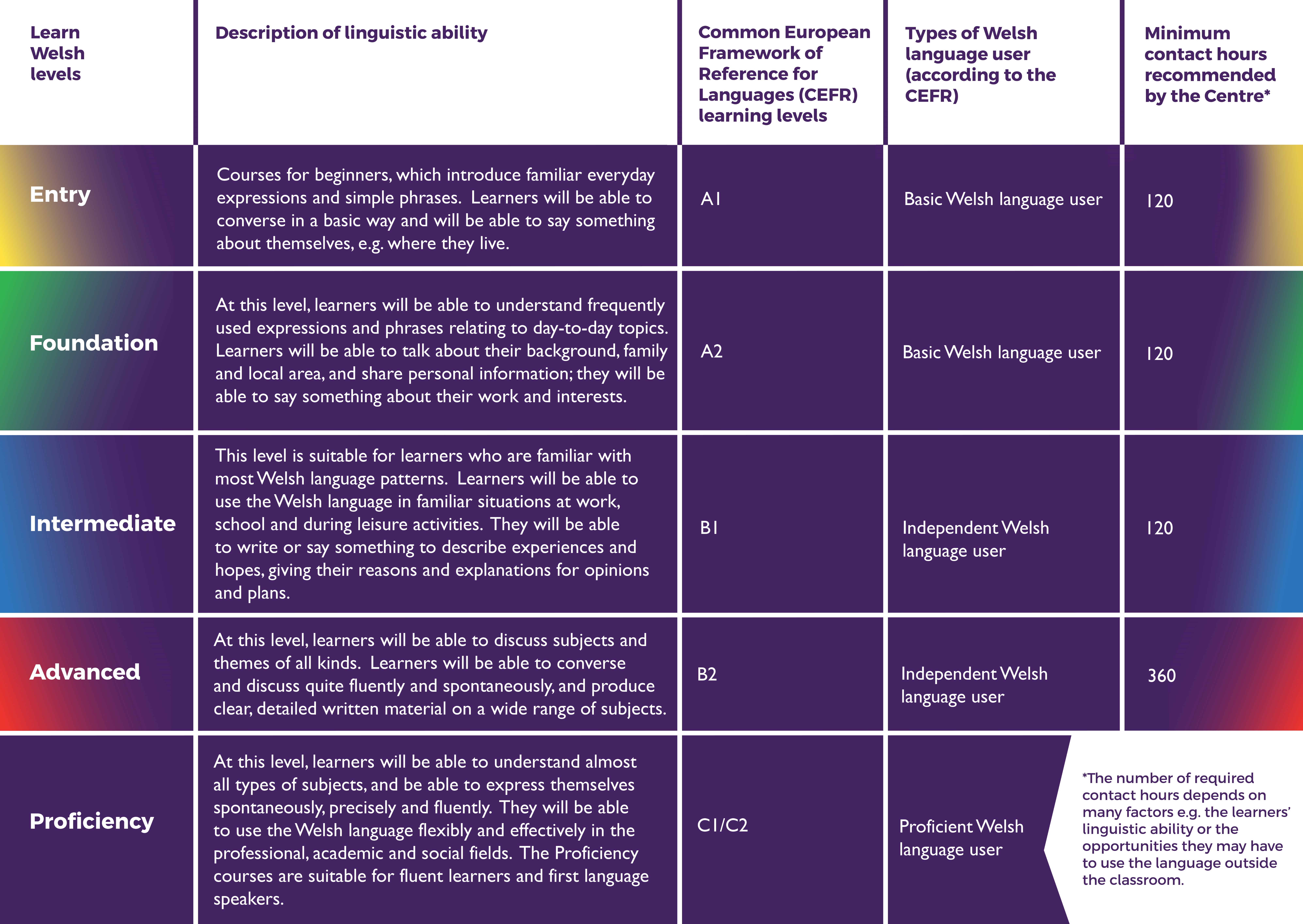
- take a Dysgu Cymraeg proficient-level course. I found this table for their level descriptors
- read more books in Welsh
- go to weekly Welsh-language meet-ups in my university town
- read a book in Irish
- finish Basic Irish: A Grammar and Workbook, and make good progress on the Intermediate Irish book
- go to weekly Irish-language meet ups in my university town
- take a Cornish exam in June (either Grade 1/A2 or Grade 2/B1.... I think I could try and go for Grade 2)
- finish the Scots Open University course
- start on the Luath Scots Learner book
- finish Basic German: A Grammar and Workbook, and start on the intermediate one
- try and go to another Celtic nation for a bit and speak the language there, probably a summer course next year, if I have the money

Old Irish-Modern Irish dictionary
Jul. 13th, 2025 02:12 pmI can't believe there's no published Modern Irish-Old Irish dictionary? Is anyone working on one?
A future PhD project for someone perhaps.... for me?? 🤔
A future PhD project for someone perhaps.... for me?? 🤔

I'm thinking I should probably try learning French again at some point. I'd like to be able to read all the Celtic studies texts that are in French

Ta mee geearree dy ynsagh Gaelg!
Next things to learn
Jul. 10th, 2025 10:39 pmI think the next modern Celtic language I want to learn is Manx. And as for older languages, I'd really like to get into Middle Welsh.
CEFR levels
Jul. 9th, 2025 11:43 amI've been reading this CEFR self-assessment grid to try and refamiliarise myself with what each level actually entails. I'm pretty sure that my Welsh is a B2 level, but I think I'm pushing into C1...? Maybe I'm being too generous.
With my Irish, I took an online placement test and got A1 (but I wasn't completely focused on the test to be honest), but looking at the grid I'd say I match A2 better, with possibly some of the B1 boxes too. But I feel like my Irish is not good enough to be completely described as being a B1 level.
And with Scots, my writing and speaking skills are probably A1, but I think my listening and reading skills are B1 or B2? Probably B1 actually. So let's just say that that evens out to A2 overall then, which is basically what I'd been describing my Scots level as anyway.
And I think for Cornish, A1/A2 is probably where my level is at.
I don't think I can really assess Old Irish (or other old languages) using the CEFR levels, since no one speaks it as a native language and I'm not having to use it or understand people in it. Although, saying that, this is making me think that it would be fun to make a website in Old Irish or some other old language that doesn't have modern-day terms, as a sort of linguistic experiment.
With my Irish, I took an online placement test and got A1 (but I wasn't completely focused on the test to be honest), but looking at the grid I'd say I match A2 better, with possibly some of the B1 boxes too. But I feel like my Irish is not good enough to be completely described as being a B1 level.
And with Scots, my writing and speaking skills are probably A1, but I think my listening and reading skills are B1 or B2? Probably B1 actually. So let's just say that that evens out to A2 overall then, which is basically what I'd been describing my Scots level as anyway.
And I think for Cornish, A1/A2 is probably where my level is at.
I don't think I can really assess Old Irish (or other old languages) using the CEFR levels, since no one speaks it as a native language and I'm not having to use it or understand people in it. Although, saying that, this is making me think that it would be fun to make a website in Old Irish or some other old language that doesn't have modern-day terms, as a sort of linguistic experiment.


Pleananna teangacha... aríst
Jun. 29th, 2025 10:06 amIs iad an Jèrriais agus an Nynorn an chéad teangacha go bhfuil mé ag iarraidh iad a fhoghlaim, b'fhéidir an bhliain seo chugainn nó tar éis sin.
Freisin, ceapaim mba cheart dom an Fhraincis a fhoghlaim. Tá mé ag foghlaim na Gearmáinise, mar is maith liom an teanga agus tá mé ag iarraidh leabhair an Léinn Cheiltigh sa nGearmáinis a léamh. Tá leabhair an Léinn Cheiltigh sa bhFraincis ann freisin, mar sin ceapaim mba mhaith liom iad a léamh freisin.
mar sin, tá mé ag uasdátú mo liosta teangacha:
Teangacha faoi láthair:
Tá mé ag iarraidh na dteangacha seo a fhoghlaim:
Ceapaim mba mhaith liom céim 'ASNC' (Angla-Shacsanach, Lochlannach, agus Ceiltach) a dhéanamh, ach níl mé ag iarraidh mo bhaile a imeacht, go háirithe níl mé ag iarraidh staidéar i gCambridge (nó Oxford) a dhéanamh. Ach tá céim Angla-Shacsanaigh agus Ceiltigh in Ollscoill Obar Dheathain. Ach ba mhaith liom m'ollscoill agus mo bhaile anois go leor....
Freisin, ceapaim mba cheart dom an Fhraincis a fhoghlaim. Tá mé ag foghlaim na Gearmáinise, mar is maith liom an teanga agus tá mé ag iarraidh leabhair an Léinn Cheiltigh sa nGearmáinis a léamh. Tá leabhair an Léinn Cheiltigh sa bhFraincis ann freisin, mar sin ceapaim mba mhaith liom iad a léamh freisin.
mar sin, tá mé ag uasdátú mo liosta teangacha:
Teangacha faoi láthair:
- Béarla
- Breatnais
- Gaeilge
- Coirnis
- Albainis
- Gearmáinis
- Sean-Ghaeilge
Tá mé ag iarraidh na dteangacha seo a fhoghlaim:
- Jèrriais
- Norn/Nynorn
- Briotáinis
- Fraincis
- Sean-Bhéarla
Ceapaim mba mhaith liom céim 'ASNC' (Angla-Shacsanach, Lochlannach, agus Ceiltach) a dhéanamh, ach níl mé ag iarraidh mo bhaile a imeacht, go háirithe níl mé ag iarraidh staidéar i gCambridge (nó Oxford) a dhéanamh. Ach tá céim Angla-Shacsanaigh agus Ceiltigh in Ollscoill Obar Dheathain. Ach ba mhaith liom m'ollscoill agus mo bhaile anois go leor....

I've been trying to research some "traditional Celtic marriage vows" for a journal entry/Youtube video I want to make and I've come to a bit of a block in my research. Apparently this has taken up a lot of space in my subconscious as last night I dreamed I was finally able to find the Old Irish text that the vows were sourced from, and I woke up feeling so pleased with myself until the sleepiness wore off and I realised it had been a dream all along.

Sodhek an Yeth Gernewek
Jun. 17th, 2025 08:02 pmMy a eth dhe Geskussulyans Studhyoryon Geltek 2025 an seythen dhiwettha, ha lemmyn yth esov vy ar an kessedhek avel sodhek yeth! Sodhek an yeth Gernewek ov vy, gans person aral. Ytho, res yw dhymm gwellhe ow Kernewek yn feur! My a wrug bodhegi gul an rann, mes ny wrug vy klewes kyfyansek gul an rann ow honan. Y'n gwella prys, person aral a wrug bodhegi gul an rann genev. My a wra prederi a wra hi godhvos moy a Gernewek agesov. My a wra prederi a yllsyn ni'y wul.
Today's studying #4
Jun. 8th, 2025 10:08 pmToday I:
- Wrote up the notes from my Cornish class
- Started on unit 21 (adjectives) of Basic Irish
- Started on Basic German, and finished unit 1

Welsh and Irish Swadesh lists
Jun. 7th, 2025 02:10 pmThis conversation I had with ![[personal profile]](https://www.dreamwidth.org/img/silk/identity/user.png) ysabetwordsmith made me realise that I've never actually looked up a Swadesh list for Welsh before. I found this list on Wikipedia and before I started reading it I assumed that I would already know most of the words because I'm at a B2 level, but there were quite a few I didn't know! (In my defence, I only really use Welsh in an academic context)
ysabetwordsmith made me realise that I've never actually looked up a Swadesh list for Welsh before. I found this list on Wikipedia and before I started reading it I assumed that I would already know most of the words because I'm at a B2 level, but there were quite a few I didn't know! (In my defence, I only really use Welsh in an academic context)
I've based my list here off the Wikipedia list somewhat, although I have swapped some words for alternatives I'm more familiar with (these alternatives largely seem to be a dialectal difference).
I also looked at the Irish Swadesh list on Wikipedia to make my own.
( Read more... )
ysabetwordsmith made me realise that I've never actually looked up a Swadesh list for Welsh before. I found this list on Wikipedia and before I started reading it I assumed that I would already know most of the words because I'm at a B2 level, but there were quite a few I didn't know! (In my defence, I only really use Welsh in an academic context)I've based my list here off the Wikipedia list somewhat, although I have swapped some words for alternatives I'm more familiar with (these alternatives largely seem to be a dialectal difference).
I also looked at the Irish Swadesh list on Wikipedia to make my own.
( Read more... )
Today's studying #3 and studying hours
Jun. 5th, 2025 11:04 pm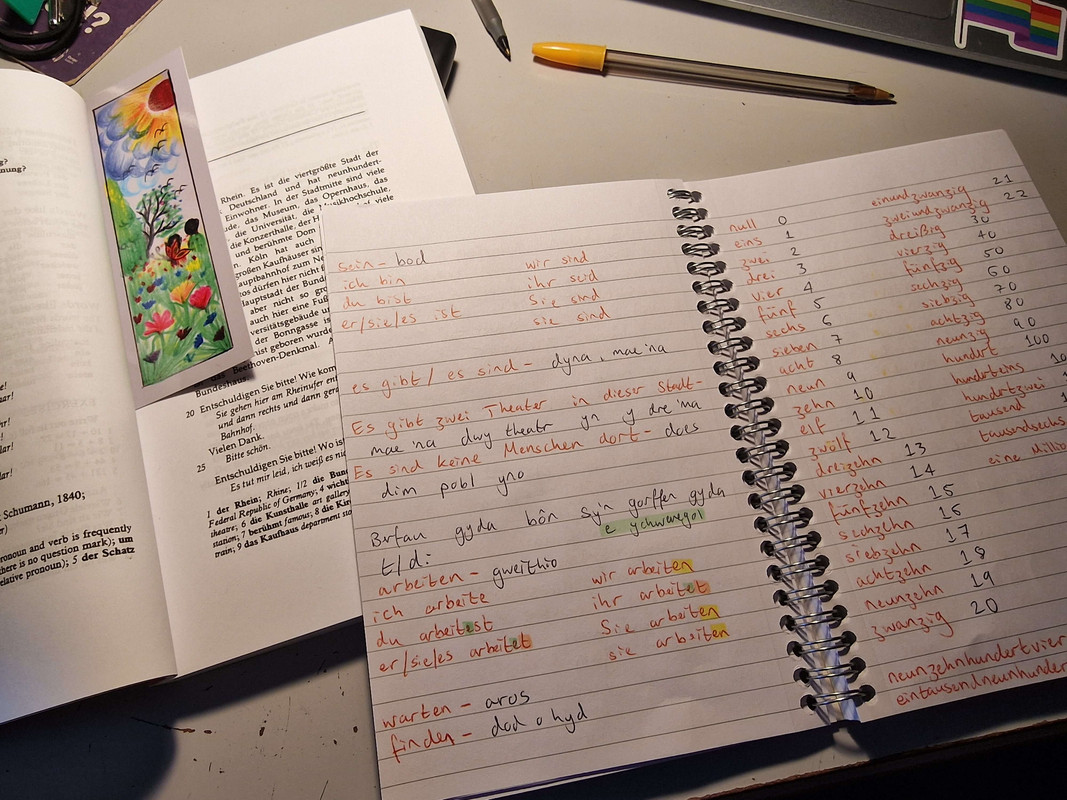
Today I finished chapter 2 of 'German for Musicians', and did the 'Plurals' section on LingoDeer. I now know: how to conjugate regular present-tense verbs for all pronouns, numbers up to 1 million, enough to read/answer questions about someone's background/their studies related to music, plurals, and some basic things about cases!
I read chapter 4 of 'Linguistics: A Very Short Introduction'. I'm planning to read the sociolinguistics book in the same series next, or maybe the languages one.
Also, I was looking at this table we were shown at university last year about time spent on learning Welsh:
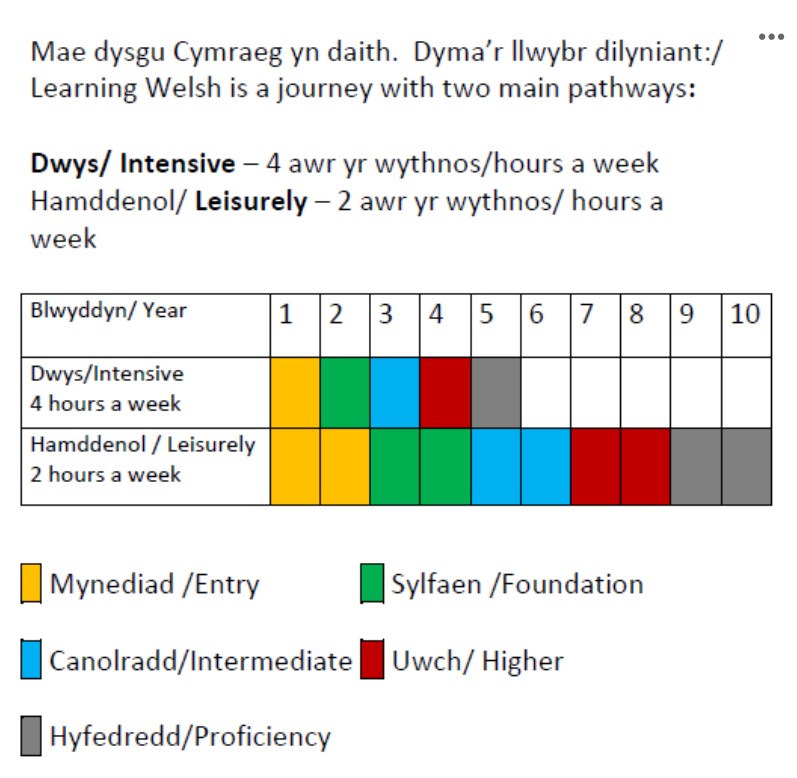
This chart uses Dysgu Cymraeg's naming of language levels:
Mynediad/Entry = A1
Sylfaen/Foundation = A2
Canolradd/Intermediate = B1
Uwch/Higher = B2
Hyfedredd/Proficiency = C1
The 'intensive' study category is 4 hours a week and will get you to 'proficiency' in 5 years, and the 'leisurely' category is 2 hours a week and will get you to 'proficiency' in 10 years. I've decided to sort the languages I'm learning into these categories, plus make up 2 of my own: 'casual' which is 1 hour a week, and 'whenever I have time'.
Intensive: Irish and German. I want both of these to improve a lot before I start back at university again.
Leisurely: Welsh. I would have put this in 'intensive' too but I don't want to risk burning myself out. I just want to keep using some Welsh over the summer since my family don't speak it. When university starts again, I'll probably put this one in intensive (since I'm going to count university classes towards the total time). I'll probably re-do the other languages and their categories once I'm back at university too.
Casual: Cornish and Scots. I'm having an hour-long Cornish lesson each week online, and I look at the Open University Scots course when I get the chance.
Whenever I have time: this category is basically just going to be for anything that takes my fancy that I want to look at, or revisit if it's a language I looked at a while ago. So Old Irish, maybe some Breton, Chinese, etc. I should probably have at least a little look at Old Irish since I'm planning on continuing with it in the next academic year.

Today's studying #2
Jun. 4th, 2025 08:10 pmToday I worked on chapter 2 of 'German for Musicians' and did some German on LingoDeer. I think I'm enjoying 'German for Musicians' more so far, although it is nice to have the audio of pronunciation on LingoDeer (and so much nicer to use than Duolingo....) My goal for German is to be at an upper-beginner level before October so I can do the intermediate German classes once university starts back again for my CertHE. I really want to do German but I don't think I have the mental strength to sit through another year of beginner language classes (for any language), they just move so slowly compared to the pace I'd like.
I also read chapter 3 of 'Linguistics: A Very Short Introduction'.
I also read chapter 3 of 'Linguistics: A Very Short Introduction'.